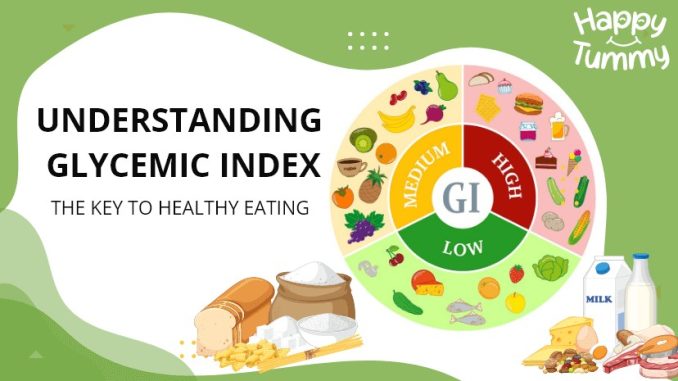
The glycemic index has become an increasingly important concept in discussions about nutrition and health, yet many people still find it somewhat abstract. At its core, the glycemic index, often referred to as GI, is a measure of how quickly carbohydrates in food are broken down into glucose and released into the bloodstream. Foods with a high glycemic index cause a rapid spike in blood sugar, while those with a low glycemic index lead to a slower, more gradual increase. Understanding this dynamic is essential for making informed health choices, particularly in a world where energy management and long-term wellness are closely tied to diet.
Blood sugar fluctuations are not just a matter of numbers; they directly affect how people feel and perform throughout the day. A sharp spike in glucose may provide a temporary burst of energy, but it is often followed by a crash that leaves individuals feeling sluggish, irritable, or unfocused. For professionals managing demanding schedules, these swings can undermine productivity and decision-making. By choosing foods with a lower glycemic index, it is possible to maintain steadier energy levels, supporting both physical stamina and mental clarity.
The glycemic index also plays a significant role in long-term health outcomes. Consistently consuming high-GI foods can contribute to insulin resistance, a condition where the body becomes less effective at managing blood sugar. Over time, this can increase the risk of type 2 diabetes, cardiovascular disease, and other metabolic disorders. On the other hand, diets that emphasize low-GI foods help regulate blood sugar more effectively, reducing strain on the body’s systems and supporting overall resilience. This connection highlights why the glycemic index is more than a dietary trend; it is a practical tool for managing health risks.
Weight management is another area where the glycemic index proves valuable. Foods that cause rapid spikes in blood sugar often trigger hunger sooner, leading to overeating or cravings for more high-GI foods. In contrast, low-GI foods promote satiety, keeping individuals fuller for longer and reducing the likelihood of unnecessary snacking. For professionals balancing busy lives, this can make a significant difference in maintaining healthy habits without constant effort. The ability to manage appetite through smarter food choices is a subtle but powerful advantage.
It is important to note that the glycemic index does not exist in isolation. The way foods are prepared, combined, and consumed can influence their impact on blood sugar. For instance, pairing carbohydrates with protein, fiber, or healthy fats can lower the overall glycemic response of a meal. Cooking methods also matter, as certain processes can increase or decrease the GI of foods. This means that understanding the glycemic index is not about rigid rules but about applying knowledge flexibly to everyday situations.
In professional environments, where wellness initiatives are increasingly tied to performance, the glycemic index offers a practical framework for employee health programs. Encouraging low-GI options in cafeterias, meetings, or catered events can help employees sustain energy and focus throughout the day. Organizations that integrate these principles into wellness strategies demonstrate a commitment to both health and productivity, reinforcing the link between nutrition and business outcomes.
The glycemic index also intersects with cultural and lifestyle factors. Different regions and traditions emphasize varying staple foods, many of which differ in their glycemic impact. Rice, bread, and potatoes, for example, are common in many diets but often have higher GI values depending on preparation. By adapting traditional meals with lower-GI alternatives or combinations, individuals can preserve cultural practices while making healthier choices. This adaptability ensures that the glycemic index is not about restriction but about enhancement.
Technology has made it easier to apply the glycemic index in daily life. Apps, wearable devices, and digital platforms now provide information about the GI of foods, helping individuals track and adjust their diets in real time. These tools make the concept more accessible, turning abstract numbers into actionable insights. For professionals accustomed to leveraging technology for efficiency, integrating GI tracking into wellness routines aligns naturally with modern lifestyles.
The economic implications of understanding the glycemic index are significant. Poor dietary choices contribute to rising healthcare costs, absenteeism, and reduced productivity. By promoting awareness of the glycemic index, organizations and individuals can reduce these burdens, fostering healthier communities and workplaces. The financial benefits reinforce the idea that nutrition is not just a personal matter but a strategic investment in resilience and sustainability.
Education is central to making the glycemic index meaningful. Many people are unaware of how their daily food choices affect blood sugar, energy, and long-term health. Clear, engaging education about the GI empowers individuals to take ownership of their well-being. When people understand the connection between what they eat and how they feel, they are more likely to make intentional choices that support both immediate performance and future health.
Ultimately, the glycemic index is about balance. It does not demand eliminating all high-GI foods but encourages awareness of their impact and moderation in consumption. By combining knowledge of the glycemic index with broader principles of nutrition, individuals can create sustainable diets that support energy, resilience, and longevity. This balanced approach ensures that health choices are not restrictive but empowering, enabling people to thrive in both personal and professional contexts.
The power of the glycemic index lies in its simplicity. It translates complex metabolic processes into a practical guide for everyday decisions. For professionals, organizations, and communities, understanding and applying the glycemic index is a pathway to healthier, more productive lives. It is a reminder that small, informed choices can have profound effects, shaping not only individual well-being but also collective success. In the end, the glycemic index is not just about numbers—it is about creating a foundation for vitality and sustainability in an increasingly demanding world.