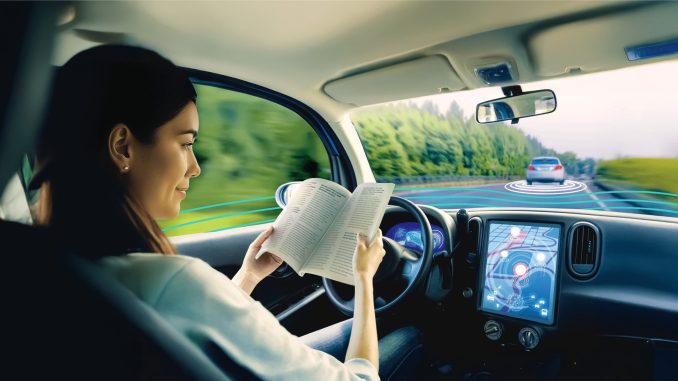
The rise of autonomous vehicles is reshaping not only the automotive industry but also the insurance sector, which has long been built around human drivers and the risks they create. As cars become increasingly capable of navigating roads without human intervention, the traditional assumptions underpinning auto insurance are being challenged. This transformation raises complex questions about liability, risk assessment, and the very nature of coverage in a world where machines, rather than people, are making critical driving decisions.
For decades, auto insurance has revolved around the idea that drivers are the primary source of risk. Premiums are calculated based on age, driving history, location, and other factors tied directly to human behavior. Autonomous vehicles disrupt this model by shifting responsibility from individuals to technology. If a self-driving car is involved in an accident, who is at fault—the passenger, the manufacturer, the software developer, or perhaps the provider of the data that guided the vehicle? Insurers must grapple with these questions to design policies that reflect the new reality of shared responsibility between humans and machines.
Liability is at the heart of this shift. In a traditional accident, fault is determined by human error, whether it is speeding, distraction, or poor judgment. With autonomous vehicles, accidents may stem from software glitches, sensor malfunctions, or failures in communication between systems. This creates a scenario where liability could shift toward manufacturers and technology providers rather than individual drivers. Insurers are exploring product liability models that cover defects in design or programming, signaling a move away from personal auto insurance toward coverage that resembles corporate risk management.
The transition also raises challenges in pricing risk. Autonomous vehicles promise to reduce accidents significantly by eliminating human error, which accounts for the vast majority of crashes today. If accident rates decline, premiums could fall, disrupting a major revenue stream for insurers. At the same time, the cost of claims may rise, as accidents involving autonomous vehicles could lead to complex litigation or expensive repairs to advanced technology. Balancing lower frequency with higher severity requires insurers to rethink their actuarial models and develop new ways of forecasting risk in a rapidly evolving environment.
Another dimension of this transformation is the role of data. Autonomous vehicles generate enormous amounts of information, from sensor readings to decision-making algorithms. Insurers are increasingly interested in accessing this data to understand how accidents occur and to refine their risk assessments. However, this raises issues of privacy and ownership. Consumers may be reluctant to share detailed driving data, while manufacturers may guard proprietary information closely. Navigating these tensions will be critical for insurers seeking to leverage data without compromising trust or confidentiality.
The rise of autonomous vehicles also has implications for consumer expectations. Drivers accustomed to traditional coverage may need to adjust to policies that look very different. Instead of insuring themselves against personal mistakes, they may be purchasing coverage that protects them against technological failures or unforeseen system errors. This shift requires clear communication from insurers, who must explain how policies work in a way that reassures consumers while reflecting the complexities of autonomous technology. Building confidence will be essential as people entrust their safety to machines.
Commercial applications of autonomous vehicles add another layer of complexity. Fleets of self-driving trucks, delivery vans, or ride-hailing cars will require specialized coverage that accounts for both scale and technology. Insurers must design products that address the risks of operating large numbers of autonomous vehicles simultaneously, including potential systemic failures that could affect entire fleets. This creates opportunities for innovation, as insurers develop new forms of coverage tailored to businesses that rely on autonomous mobility as a core part of their operations.
Regulation will play a pivotal role in shaping how insurance adapts to autonomous vehicles. Governments are still determining how to assign liability and set safety standards for self-driving technology. Insurers must remain agile, adjusting their policies as regulations evolve. In some jurisdictions, lawmakers may mandate certain types of coverage or establish frameworks for resolving disputes between consumers and manufacturers. The interplay between regulation and insurance will be central to ensuring that autonomous vehicles are integrated safely and responsibly into society.
The broader societal impact of autonomous vehicles also cannot be ignored. If these technologies succeed in reducing accidents, the benefits extend beyond insurance to public health and infrastructure. Fewer crashes mean fewer injuries, lower healthcare costs, and less strain on emergency services. Insurers, in turn, may find themselves playing a role in promoting adoption by offering incentives for autonomous vehicle use. This positions insurance not just as a reactive industry but as an active participant in shaping the future of mobility.
At the same time, insurers must prepare for transitional challenges. The coexistence of human-driven and autonomous vehicles on the same roads creates unique risks. Human drivers may behave unpredictably around self-driving cars, while autonomous systems may struggle to anticipate human quirks. Insurers must account for this hybrid environment, where accidents could involve a mix of human and machine error. Policies will need to be flexible enough to cover these scenarios until autonomous vehicles become the dominant mode of transportation.
Technology itself will continue to evolve, adding further complexity. As autonomous systems improve, insurers will need to update their models to reflect new capabilities and risks. Advances in artificial intelligence, connectivity, and vehicle-to-vehicle communication could reduce certain risks while introducing new ones, such as cyberattacks on vehicle systems. Cyber insurance may become a critical component of autonomous vehicle coverage, protecting against threats that are unique to digital mobility.
Ultimately, the rise of autonomous vehicles represents both a challenge and an opportunity for the insurance industry. It forces insurers to rethink long-standing assumptions, redesign products, and engage with new stakeholders in technology and manufacturing. At the same time, it opens the door to innovation, allowing insurers to develop solutions that align with the future of transportation. Those who adapt quickly will not only remain relevant but also play a central role in enabling the safe and widespread adoption of autonomous vehicles.
Insurance has always been about managing uncertainty, and autonomous vehicles introduce a new kind of uncertainty—one rooted in technology rather than human behavior. By embracing this shift, insurers can help society navigate the transition to a world where cars drive themselves, ensuring that protection, trust, and resilience remain at the heart of mobility. The journey will be complex, but it is also an opportunity to redefine insurance for a new era of transportation.