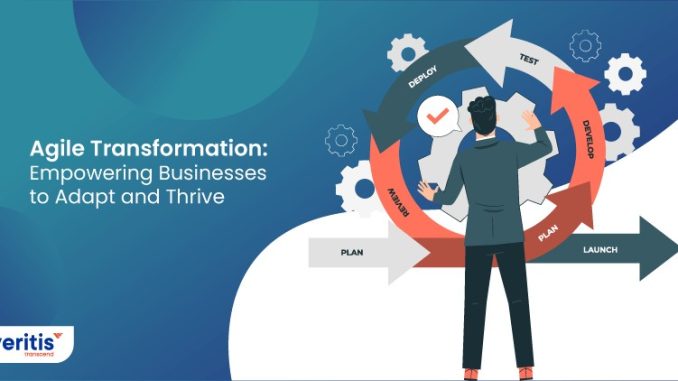
Building a business that’s built to adapt is less about reacting to change and more about being designed for it. In a world where market conditions shift overnight, technologies evolve rapidly, and customer expectations are constantly recalibrated, adaptability is no longer a competitive edge—it’s a survival trait. Businesses that thrive aren’t those with the most rigid plans or the most polished forecasts. They’re the ones that know how to listen, learn, and pivot without losing their core identity. Adaptability is not a single decision; it’s a mindset embedded into the culture, operations, and leadership of the organization.
At the heart of adaptability is a willingness to embrace uncertainty. Many businesses are built around the illusion of control—predictable models, fixed strategies, and long-term plans that assume stability. But the reality is far more fluid. Markets are shaped by forces that can’t always be anticipated, from geopolitical shifts to viral trends. A business that’s built to adapt doesn’t resist this fluidity—it leans into it. It creates systems that are flexible, teams that are empowered to make decisions, and processes that allow for iteration. This doesn’t mean abandoning structure; it means designing structure that can bend without breaking.
Culture plays a pivotal role in shaping adaptability. Organizations that encourage curiosity, experimentation, and open dialogue are far more likely to respond effectively to change. When employees feel safe to question assumptions, propose new ideas, and challenge the status quo, the business becomes more agile. This kind of culture doesn’t happen by accident—it’s cultivated through leadership that values learning over perfection and progress over predictability. Leaders who model adaptability by admitting when they don’t have all the answers and by adjusting course when needed set the tone for the entire organization.
Technology can be both a catalyst and a constraint when it comes to adaptability. Businesses that invest in modular, scalable systems are better positioned to evolve. Legacy infrastructure, on the other hand, can become a bottleneck. The key is to view technology not as a fixed asset but as a living part of the business. It should be continuously evaluated, updated, and aligned with strategic goals. For example, a retail company that integrates real-time analytics into its supply chain can respond to shifts in demand more quickly than one relying on static reports. Technology should enable responsiveness, not inhibit it.
Customer insight is another cornerstone of adaptive business design. Companies that stay close to their customers—through feedback loops, user research, and direct engagement—are better equipped to anticipate needs and adjust offerings. This doesn’t mean chasing every trend or trying to please everyone. It means understanding the deeper motivations and pain points of the people you serve. A business that adapts well listens not just to what customers say, but to what they mean. It reads between the lines, spots patterns, and uses those insights to guide innovation. Adaptability is not about being reactive—it’s about being attuned.
Decision-making structures must also support adaptability. Traditional hierarchies can slow down response times and stifle initiative. Businesses that empower teams to make decisions at the edge—where the customer interaction happens, where the data is fresh—are more nimble. This requires trust, clarity of purpose, and a shared understanding of strategic priorities. When people know the direction and are trusted to act, they can respond faster and more effectively. Adaptability thrives in environments where autonomy and alignment coexist.
Financial strategy plays a role too. Businesses that build in flexibility—through diversified revenue streams, prudent cash management, and scenario planning—can absorb shocks more gracefully. Adaptability doesn’t mean being reckless; it means being prepared. It means having the resources and the discipline to pivot when necessary, without compromising long-term viability. A business that’s built to adapt doesn’t just chase growth—it builds resilience. It understands that sustainability is not just environmental—it’s operational, financial, and cultural.
Communication is another lever for adaptability. In times of change, clarity and transparency are essential. Teams need to understand not just what’s happening, but why. They need to feel informed, involved, and inspired. Businesses that communicate openly during transitions—whether it’s a strategic shift, a product pivot, or a market disruption—build trust and cohesion. Adaptability is not just about changing direction; it’s about bringing people along for the journey. When communication is strong, change feels less like chaos and more like evolution.
Ultimately, building a business that’s built to adapt is about designing for movement. It’s about creating an organization that can shift gears without losing momentum, that can evolve without losing its soul. It’s about recognizing that change is not the enemy—it’s the environment. Businesses that embrace this reality don’t just survive—they shape the future. They become more than reactive entities; they become responsive ecosystems. And in a world that refuses to stand still, that kind of business is not just smart—it’s essential.