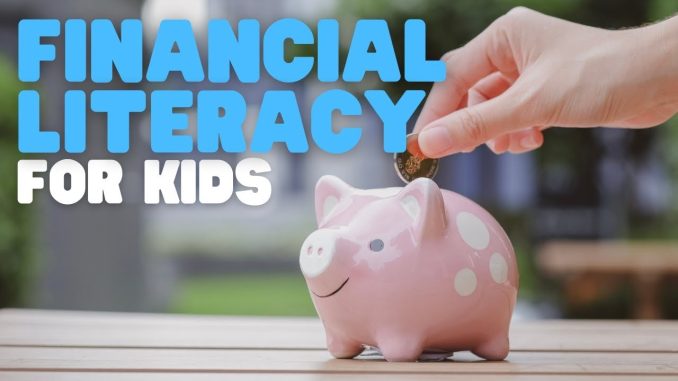
Learning about money is one of the most valuable investments you can make in yourself, yet it is often something people avoid until circumstances force them to pay attention. The reality is that financial literacy is not a skill reserved for professionals in banking or investment; it is a practical necessity for anyone who wants to build stability, independence, and long-term wealth. Teaching yourself about money may feel daunting at first, but with patience and curiosity, it becomes a rewarding journey that reshapes the way you think about your future.
The starting point is awareness. Most people have a general sense of their income and expenses, but few take the time to examine the details. By looking closely at how money flows in and out of your life, you begin to see patterns that reveal your habits. This awareness is not about judgment but about clarity. Once you understand where your money goes, you can make informed decisions about whether those choices align with your goals. Awareness lays the foundation for every other aspect of financial learning.
From there, the next step is to build a basic understanding of core financial concepts. Terms like compound interest, inflation, and diversification may sound technical, but they are the building blocks of financial literacy. When you grasp how interest can work for you in savings or against you in debt, you start to appreciate the power of time in financial planning. Understanding inflation helps you see why money loses value if it sits idle, and diversification explains why spreading investments reduces risk. These concepts are not abstract theories; they are practical tools that shape everyday decisions.
Teaching yourself about money also requires developing a mindset of curiosity. Instead of treating financial topics as intimidating, approach them as puzzles to solve. Read widely, listen to discussions, and ask questions about how different systems work. The more you expose yourself to financial ideas, the more comfortable you become with them. Over time, what once felt complex begins to feel familiar, and you gain confidence in your ability to navigate financial conversations and decisions.
Another important aspect is learning to distinguish between reliable information and noise. The world is full of financial advice, much of it conflicting or designed to sell products rather than educate. Teaching yourself about money means cultivating discernment. Seek out sources that prioritize education over persuasion, and cross-check information before acting on it. This habit not only protects you from costly mistakes but also strengthens your ability to think critically about financial matters.
Practical application is where learning truly takes root. It is one thing to read about budgeting or investing, but another to put those principles into practice. Start small, whether by setting aside a portion of your income, tracking expenses for a month, or opening a savings account. These actions reinforce the concepts you study and provide real-world feedback. As you experiment, you learn what works for you and what needs adjustment. The process becomes iterative, with each step building on the last.
Discipline plays a central role in financial education. Teaching yourself about money is not just about acquiring knowledge; it is about developing habits that sustain progress. Consistency in saving, restraint in spending, and patience in investing are all skills that grow stronger with practice. Discipline ensures that your financial learning translates into tangible results, rather than remaining theoretical. It is the bridge between understanding and achievement.
Equally important is the ability to connect financial learning to your personal goals. Money is not an end in itself but a means to support the life you want to live. Whether your priorities involve security, freedom, or opportunity, aligning your financial decisions with those goals makes the process more meaningful. When you see how financial literacy directly contributes to your aspirations, motivation increases, and the effort feels worthwhile.
Teaching yourself about money also involves confronting mistakes. Everyone makes financial missteps, whether through overspending, poor investments, or neglecting savings. The key is to treat these experiences as lessons rather than failures. Reflecting on what went wrong and how to avoid repeating it strengthens your understanding. Mistakes become part of the learning process, adding depth to your knowledge and resilience to your mindset.
Another dimension is recognizing the emotional side of money. Financial decisions are rarely purely rational; they are influenced by fear, desire, and social pressure. Teaching yourself about money means becoming aware of these influences and learning to manage them. By acknowledging the role of emotions, you can make more balanced choices and avoid being swayed by impulses or external expectations. Emotional intelligence is as important as technical knowledge in achieving financial success.
Over time, teaching yourself about money becomes less about specific tactics and more about cultivating a philosophy. You begin to see money as a resource to be managed wisely, a tool that supports your values and goals. This philosophy guides your decisions across different contexts, whether you are negotiating a salary, considering an investment, or planning for retirement. It provides consistency and clarity, ensuring that your financial choices remain aligned with your broader vision.
The journey of financial self-education is ongoing. Markets change, opportunities evolve, and personal circumstances shift. Staying engaged with financial learning ensures that you remain adaptable and prepared. It is not about reaching a final destination but about maintaining a lifelong commitment to growth. This perspective keeps you proactive rather than reactive, ready to adjust as needed while staying true to your principles.
Ultimately, teaching yourself about money is an act of empowerment. It allows you to take control of your financial destiny rather than leaving it to chance or relying on others. It equips you with the knowledge and confidence to make decisions that support your well-being and aspirations. Most importantly, it transforms money from a source of stress into a source of opportunity. By committing to the process, you unlock the ability to build a life defined not by financial limitations but by financial possibilities.