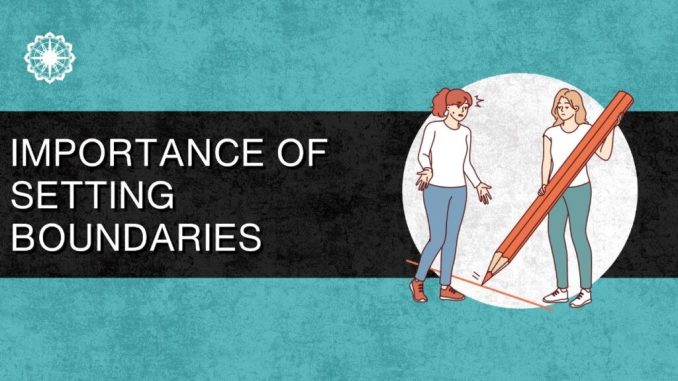
Healthy boundaries are one of the most overlooked aspects of mental health, yet they are fundamental to maintaining balance in both personal and professional life. Boundaries act as invisible lines that define where one person ends and another begins, helping individuals protect their time, energy, and emotional well-being. Without them, it becomes easy to feel overwhelmed, resentful, or drained, especially in environments where demands are constant and expectations are high. Establishing boundaries is not about shutting people out; it is about creating space that allows relationships and responsibilities to thrive without compromising mental health.
In the workplace, boundaries are particularly important. Modern business culture often celebrates availability and responsiveness, but being perpetually accessible can come at a cost. Employees who struggle to say no to extra tasks or late-night emails may find themselves on a path to burnout. By setting clear boundaries around work hours, communication, and workload, professionals can protect their mental health while still meeting organizational goals. This balance benefits not only the individual but also the company, as healthier employees are more productive, creative, and engaged.
Boundaries also play a critical role in managing stress. When people fail to define limits, they often take on more than they can handle, leading to chronic anxiety and exhaustion. Healthy boundaries allow individuals to prioritize what truly matters, delegate when necessary, and recognize when it is time to step back. This ability to manage commitments effectively reduces stress and creates a sense of control, which is essential for maintaining mental resilience in fast-paced environments.
In relationships, boundaries foster respect and trust. Whether in professional partnerships or personal connections, clarity about expectations prevents misunderstandings and conflict. When individuals communicate their needs openly, they create a foundation for healthier interactions. For example, being clear about availability for meetings or personal time helps others understand limits and reduces the likelihood of tension. Boundaries are not barriers; they are guidelines that promote mutual respect and ensure that relationships remain supportive rather than draining.
Another important aspect of boundaries is their role in self-care. Mental health depends on the ability to recharge, and boundaries create the space for rest and recovery. Without them, individuals may sacrifice sleep, hobbies, or family time in favor of obligations, leaving little room for personal fulfillment. By protecting time for activities that bring joy and relaxation, boundaries help sustain energy and prevent emotional fatigue. This investment in self-care ultimately enhances performance in all areas of life.
Boundaries also encourage accountability. When individuals define what they can and cannot do, they take responsibility for their choices and actions. This clarity helps prevent overcommitment and ensures that promises are realistic. In business settings, accountability through boundaries builds credibility, as colleagues and clients learn to trust that commitments will be honored. It also reduces the risk of disappointment or frustration caused by unmet expectations, strengthening professional relationships.
The absence of boundaries often leads to blurred roles and confusion. In organizations, this can manifest as unclear responsibilities, duplicated efforts, or conflicts over authority. Establishing boundaries around roles and tasks ensures that everyone understands their contributions and avoids unnecessary overlap. This clarity improves efficiency and reduces workplace tension, creating a healthier environment for collaboration. On a personal level, boundaries prevent individuals from feeling obligated to solve problems that are not theirs to fix, preserving emotional energy for what truly matters.
Boundaries are also essential for emotional regulation. When individuals allow others to dictate their time or invade their personal space, they may experience frustration, guilt, or resentment. Over time, these emotions can erode mental health and strain relationships. By asserting boundaries, people protect themselves from emotional overload and create conditions where they can respond calmly and thoughtfully. This emotional stability is particularly valuable in leadership roles, where the ability to remain composed under pressure influences team morale and performance.
Learning to establish boundaries requires self-awareness. People must first recognize their limits and identify situations that compromise their well-being. This process often involves reflection on past experiences, noticing patterns of stress or conflict, and understanding personal values. Once these insights are gained, individuals can communicate boundaries more effectively, ensuring that they align with both personal goals and professional responsibilities. Self-awareness transforms boundaries from reactive measures into proactive strategies for maintaining mental health.
Flexibility is another key element of healthy boundaries. While boundaries provide structure, they should not be rigid walls that prevent adaptation. Circumstances change, and individuals must be able to adjust their boundaries accordingly. For instance, during critical projects, professionals may temporarily extend their availability, but they should return to their limits once the project concludes. Flexibility ensures that boundaries remain practical and relevant, supporting mental health without hindering progress.
Boundaries also empower individuals to say no without guilt. In many cultures, saying no is perceived as negative, but in reality, it is a vital skill for protecting mental health. Declining requests that exceed capacity or conflict with priorities allows individuals to focus on what truly matters. This assertiveness not only preserves energy but also demonstrates confidence and clarity. In business, the ability to say no strategically can prevent wasted resources and ensure that efforts are directed toward meaningful goals.
The long-term benefits of healthy boundaries extend beyond immediate mental health. They contribute to sustainable success by preventing burnout and fostering resilience. Professionals who maintain boundaries are better equipped to handle challenges, adapt to change, and sustain high performance over time. Organizations that encourage boundaries create cultures of respect and balance, reducing turnover and enhancing employee satisfaction. On a personal level, boundaries support stronger relationships, greater fulfillment, and a deeper sense of well-being.
Ultimately, healthy boundaries are not about restriction but about empowerment. They give individuals the tools to manage their lives with intention, ensuring that responsibilities and relationships enhance rather than diminish mental health. By recognizing the importance of boundaries and practicing them consistently, people can create environments where they thrive both personally and professionally. In a world that often demands more than anyone can give, boundaries provide the clarity and protection needed to sustain mental health and achieve lasting success.