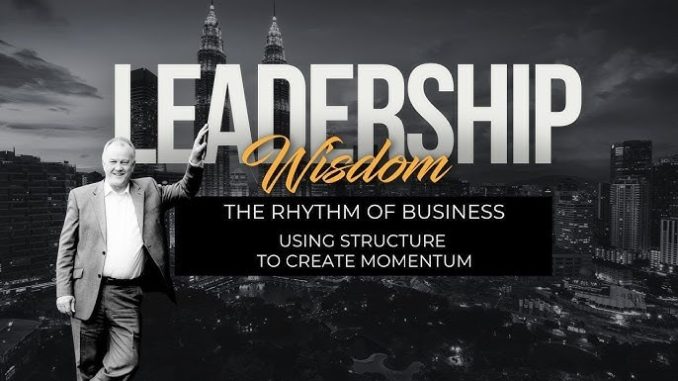
Marketing is often described as the art of capturing attention, but at its core, it is also about creating patterns that people can recognize, anticipate, and respond to. Rhythm, in this sense, is not limited to music or poetry; it is the cadence of communication, the timing of campaigns, and the consistency of brand presence. When businesses understand the power of rhythm in marketing, they unlock a tool that can make their messages more memorable, their strategies more effective, and their relationships with customers more enduring.
Rhythm in marketing begins with consistency. Customers are more likely to trust and engage with brands that show up regularly and predictably. Whether it is a weekly newsletter, a monthly product launch, or a daily social media post, the rhythm of communication creates familiarity. This familiarity builds comfort, and comfort leads to loyalty. When customers know when and how they will hear from a brand, they begin to anticipate those interactions, making the brand part of their routine rather than an occasional interruption.
Timing is another critical aspect of rhythm. Just as a song feels different depending on its tempo, marketing messages resonate differently depending on when they are delivered. A well-timed campaign can amplify impact, while poor timing can cause even the best ideas to fall flat. Businesses that pay attention to seasonal cycles, cultural moments, and customer behaviors can align their rhythm with the natural flow of their audience’s lives. This alignment makes marketing feel less like noise and more like harmony, seamlessly fitting into the customer’s world.
Rhythm also plays a role in storytelling. Every brand has a narrative, and the way that narrative unfolds depends on pacing. Too much information at once can overwhelm, while too little can leave audiences disengaged. A well-structured rhythm in storytelling builds anticipation, delivers key points at the right moment, and leaves space for reflection. This cadence keeps audiences engaged, guiding them through the brand’s journey in a way that feels natural and compelling. Rhythm ensures that the story is not just told but experienced.
Repetition is another dimension of rhythm that strengthens marketing. People rarely remember a message the first time they encounter it. Repetition, delivered with rhythm, reinforces key ideas until they become ingrained. This is why slogans, jingles, and recurring themes are so effective. They rely on rhythm to embed themselves in memory, turning fleeting impressions into lasting associations. When repetition is balanced with variation, it avoids monotony and keeps audiences interested while still reinforcing the core message.
The emotional impact of rhythm should not be overlooked. Humans are naturally drawn to patterns, and rhythm evokes feelings of stability, excitement, or anticipation depending on how it is used. A steady rhythm can create a sense of reliability, while a dynamic rhythm can generate energy and urgency. Businesses that understand these emotional cues can design marketing strategies that not only inform but also inspire. Rhythm becomes a way to connect with audiences on a deeper level, tapping into instincts that go beyond rational decision-making.
Rhythm also extends to customer experience. The way a brand interacts with customers across touchpoints creates a rhythm that shapes perception. Smooth transitions, consistent messaging, and predictable service all contribute to a rhythm that feels cohesive. When the rhythm is disrupted—through inconsistent communication or erratic service—customers notice, and trust can erode. By maintaining a steady rhythm in customer experience, businesses reinforce their reliability and strengthen their reputation.
Internally, rhythm influences organizational culture. Teams that operate with clear rhythms—regular meetings, structured workflows, and consistent feedback—are more aligned and productive. This internal rhythm translates into external marketing, as employees who feel in sync are better able to deliver cohesive messages. Rhythm is not just about what customers see; it is about how the organization functions behind the scenes. A strong internal rhythm creates the foundation for a strong external presence.
Innovation can also benefit from rhythm. While consistency is important, introducing new elements at the right intervals keeps marketing fresh and engaging. A rhythm that balances predictability with surprise captures attention without losing trust. For example, a brand might maintain a steady cadence of communication while occasionally introducing unexpected campaigns or creative twists. This rhythm of stability and novelty keeps audiences engaged, ensuring that the brand remains relevant while still dependable.
The digital age has amplified the importance of rhythm in marketing. With endless streams of content competing for attention, rhythm helps brands cut through the noise. Algorithms favor consistent posting, audiences respond to predictable engagement, and campaigns succeed when they align with digital cycles. Rhythm in digital marketing is not just about frequency; it is about creating patterns that audiences recognize and look forward to. In this environment, rhythm becomes a competitive advantage.
The long-term impact of rhythm in marketing is profound. Brands that establish a strong rhythm become part of their customers’ lives, not just their shopping habits. They create rituals, moments, and experiences that people look forward to. This integration builds loyalty that goes beyond products, because customers feel connected to the brand’s presence and cadence. Rhythm transforms marketing from a series of isolated campaigns into an ongoing relationship.
Ultimately, the power of rhythm in marketing lies in its ability to make communication feel natural and memorable. It is the difference between noise and music, between interruption and anticipation. When businesses embrace rhythm, they create marketing that flows, resonates, and endures. They build trust through consistency, excitement through timing, and loyalty through repetition. Rhythm is not just a tool; it is a language that speaks directly to the human experience, turning marketing into something that feels less like persuasion and more like connection.
By understanding and harnessing rhythm, businesses can elevate their marketing from functional to magical. They can transform campaigns into experiences, messages into memories, and interactions into relationships. Rhythm is the invisible thread that ties everything together, ensuring that marketing is not only heard but felt. In a world where attention is fleeting, rhythm is what keeps a brand in sync with its audience, creating harmony that lasts.