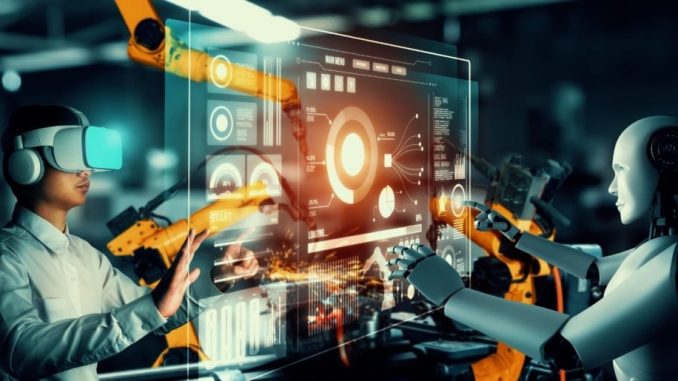
The idea of augmenting human performance is no longer confined to the realm of science fiction. Advances in biotechnology, artificial intelligence, wearable devices, and neuroscience are converging to create a future where human capabilities can be enhanced in ways that were once unimaginable. This evolution is not simply about pushing physical limits; it is about integrating technology seamlessly into daily life to improve productivity, resilience, and creativity. The future of augmented human performance promises to reshape industries, redefine work, and expand the boundaries of human potential.
One of the most visible areas of progress is wearable technology. Devices that monitor vital signs, track movement, and provide real-time feedback are already common, but the next generation of wearables will go far beyond fitness tracking. Smart exoskeletons are being developed to support workers in physically demanding industries, reducing fatigue and injury while increasing efficiency. These technologies are designed to amplify human effort rather than replace it, allowing individuals to perform tasks with greater precision and endurance.
Cognitive augmentation is another frontier that will transform how people work and make decisions. Artificial intelligence is increasingly being used to support complex problem-solving, analyze vast amounts of data, and provide insights that humans alone could not easily uncover. As these systems become more sophisticated, they will act as extensions of human cognition, helping professionals in fields such as medicine, finance, and engineering make faster and more accurate judgments. The integration of AI into daily workflows will not diminish human intelligence but rather enhance it, enabling people to focus on higher-level innovation.
Neuroscience is playing a critical role in this transformation. Advances in brain-computer interfaces are opening possibilities for direct communication between the human brain and digital systems. While still in early stages, these technologies could one day allow individuals to control devices, access information, or collaborate with others using thought alone. Such breakthroughs have profound implications not only for individuals with disabilities but also for industries where speed and precision are critical. The ability to bypass traditional input methods could redefine how humans interact with technology.
Learning and skill development will also benefit from augmented performance. Adaptive learning platforms powered by AI can tailor educational content to individual needs, accelerating the acquisition of knowledge and skills. Combined with immersive technologies such as virtual and augmented reality, these systems create environments where individuals can practice complex tasks safely and effectively. Whether training surgeons, pilots, or engineers, augmented learning tools provide opportunities to build expertise faster and with greater confidence, ultimately raising standards across professions.
The workplace of the future will be shaped by these advancements, as organizations seek to harness augmented performance to drive productivity and innovation. Employees equipped with enhanced tools will be able to collaborate more effectively, manage stress more efficiently, and deliver results with greater accuracy. Businesses that embrace these technologies will not only gain competitive advantages but also create environments where human potential is maximized. The shift will require thoughtful leadership, as organizations balance the promise of augmentation with the need to maintain ethical standards and employee well-being.
Ethics and responsibility are central to the conversation about augmented human performance. As technologies become more integrated with the human body and mind, questions about privacy, autonomy, and fairness will grow in importance. Who owns the data generated by wearable devices? How do organizations ensure that augmentation does not create inequities between workers who have access to advanced tools and those who do not? Addressing these questions will be critical to building trust and ensuring that augmented performance benefits society as a whole.
Healthcare is one sector where augmented performance will have transformative impact. Beyond supporting professionals, technologies that enhance human capabilities will empower patients to manage their health more effectively. Wearable sensors can detect early signs of illness, while AI-driven platforms can provide personalized recommendations for treatment and lifestyle changes. Augmented tools will enable individuals to take a more active role in their health, shifting the focus from reactive care to proactive wellness. This evolution has the potential to reduce healthcare costs while improving outcomes on a global scale.
The military and defense industries are also exploring augmented performance, with technologies designed to enhance situational awareness, physical endurance, and decision-making under pressure. While these applications raise complex ethical questions, they demonstrate the breadth of possibilities when human capabilities are combined with advanced systems. The lessons learned in these high-stakes environments often filter into civilian applications, driving innovation in sectors such as logistics, emergency response, and public safety.
As augmented performance technologies mature, they will increasingly blur the line between human and machine. This convergence will challenge traditional notions of identity and capability, prompting society to rethink what it means to be human in a digital age. While some may fear that augmentation diminishes individuality, the reality is that these tools are designed to empower rather than replace. The future will likely see humans and machines working in harmony, each complementing the other’s strengths to achieve outcomes that neither could accomplish alone.
The economic implications of augmented performance are significant. By enabling individuals to work more efficiently and effectively, these technologies can drive productivity gains across industries. At the same time, they may create new markets and business models, as companies develop products and services tailored to enhanced human capabilities. The ripple effects will extend to education, healthcare, and even entertainment, reshaping how value is created and delivered in the digital economy.
Ultimately, the future of augmented human performance is about unlocking potential. It is about creating tools that help people overcome limitations, achieve goals, and explore new possibilities. The journey will require collaboration between technologists, businesses, policymakers, and society at large, ensuring that innovation is guided by principles of inclusivity and responsibility. As these technologies continue to evolve, they will not only change how we work but also how we live, offering a vision of a future where human performance is elevated to new heights.
In embracing this future, organizations and individuals alike must recognize that augmentation is not a destination but a continuous process. As technologies advance, so too will the opportunities to enhance human capabilities. The challenge will be to integrate these tools thoughtfully, ensuring that they serve as enablers of progress rather than sources of division. Done well, augmented human performance has the potential to redefine the boundaries of achievement, creating a world where human potential is not just realized but amplified.