Creating a business that’s built to empower begins with a fundamental shift in perspective. Rather than viewing customers, employees, and partners as passive recipients of value, it means seeing them as active participants in shaping outcomes. Empowerment is not just a feel-good concept—it’s a strategic approach that unlocks potential, fosters loyalty, and drives innovation. When a business is designed to empower, it becomes a platform for growth, not just for itself, but for everyone it touches.
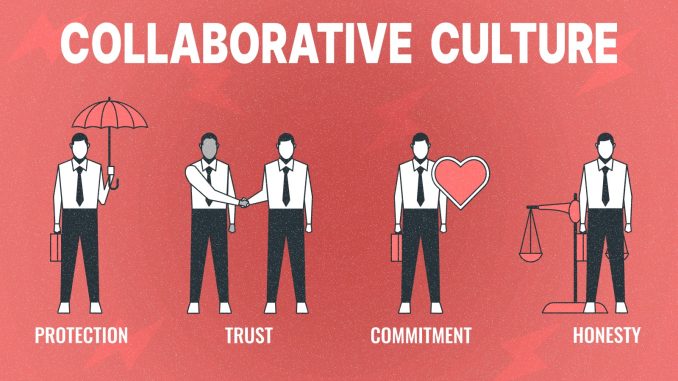
Empowerment starts with trust. Businesses that empower others operate from a place of confidence in people’s ability to make decisions, solve problems, and contribute meaningfully. This trust shows up in how teams are structured, how communication flows, and how leadership is practiced. Instead of micromanaging, leaders in empowering organizations set clear intentions and give people the autonomy to pursue them. They create environments where initiative is welcomed and where mistakes are treated as learning opportunities rather than failures. This kind of culture doesn’t just boost morale—it builds resilience and adaptability.
One of the most visible ways businesses empower is through their products and services. When a company designs with empowerment in mind, it asks how its offerings can help people do more, be more, or feel more capable. Think of how Canva democratized design by giving non-designers the tools to create professional-looking graphics. Or how Shopify enabled entrepreneurs to launch online stores without needing deep technical expertise. These platforms didn’t just solve problems—they gave people the power to create, express, and build. That’s the essence of empowerment: enabling others to act with confidence and agency.
Empowerment also extends to how businesses engage with their customers. It’s not just about providing support—it’s about fostering understanding and encouraging ownership. Companies that empower their users invest in education, transparency, and community. They don’t just sell—they teach, guide, and listen. Duolingo, for example, doesn’t just offer language lessons; it creates a playful, gamified experience that motivates learners to stick with it. The app’s design encourages progress, celebrates effort, and makes users feel capable. That emotional reinforcement is a powerful driver of engagement.
Internally, empowering businesses prioritize development. They recognize that people grow when they’re challenged, supported, and given room to explore. This means offering meaningful opportunities for learning, encouraging cross-functional collaboration, and promoting from within. It also means creating a culture where feedback flows freely and where every voice matters. When employees feel empowered, they don’t just follow instructions—they take ownership. They become stewards of the mission, advocates for the customer, and catalysts for change.
Empowerment is also about inclusion. A business that’s built to empower must be intentional about who gets a seat at the table. It must actively seek out diverse perspectives, challenge biases, and create pathways for participation. This isn’t just a moral imperative—it’s a strategic one. Diverse teams are more innovative, more empathetic, and better equipped to serve a wide range of customers. When people see themselves reflected in a company’s leadership, products, and messaging, they feel invited to engage. That sense of belonging is a powerful form of empowerment.
Technology plays a role, but it’s not the whole story. Digital tools can amplify empowerment by making information accessible, streamlining processes, and connecting people across boundaries. But technology must be paired with intention. It’s not enough to build features—it’s about designing experiences that make people feel capable and supported. A dashboard that’s intuitive, a chatbot that’s helpful, a platform that adapts to user needs—these are the kinds of details that turn tools into enablers.
Empowering businesses also understand the importance of narrative. How a company talks about itself—and about its customers—shapes perception. When the story is one of partnership, possibility, and progress, people feel invited to participate. They see the business not as a distant entity, but as a collaborator in their journey. Patagonia, for instance, doesn’t just sell outdoor gear—it tells a story about environmental stewardship and personal responsibility. That narrative empowers customers to make choices aligned with their values and to feel part of a larger movement.
Building a business that empowers requires patience and consistency. It’s not a one-time initiative—it’s a way of operating. It means making decisions that prioritize long-term relationships over short-term gains. It means investing in people, even when the payoff isn’t immediate. And it means being willing to evolve, to listen, and to adapt. Empowerment is dynamic—it grows as the business grows, and it deepens as trust is earned.
Ultimately, a business that’s built to empower becomes more than a provider—it becomes a partner. It creates value not just through what it offers, but through how it enables others to thrive. That kind of business doesn’t just succeed—it uplifts. It becomes a force for good, a source of energy, and a catalyst for change. And in a world that’s hungry for agency, meaning, and connection, empowerment isn’t just a strategy—it’s a calling.